 25 Aug 2026
 6 mins read
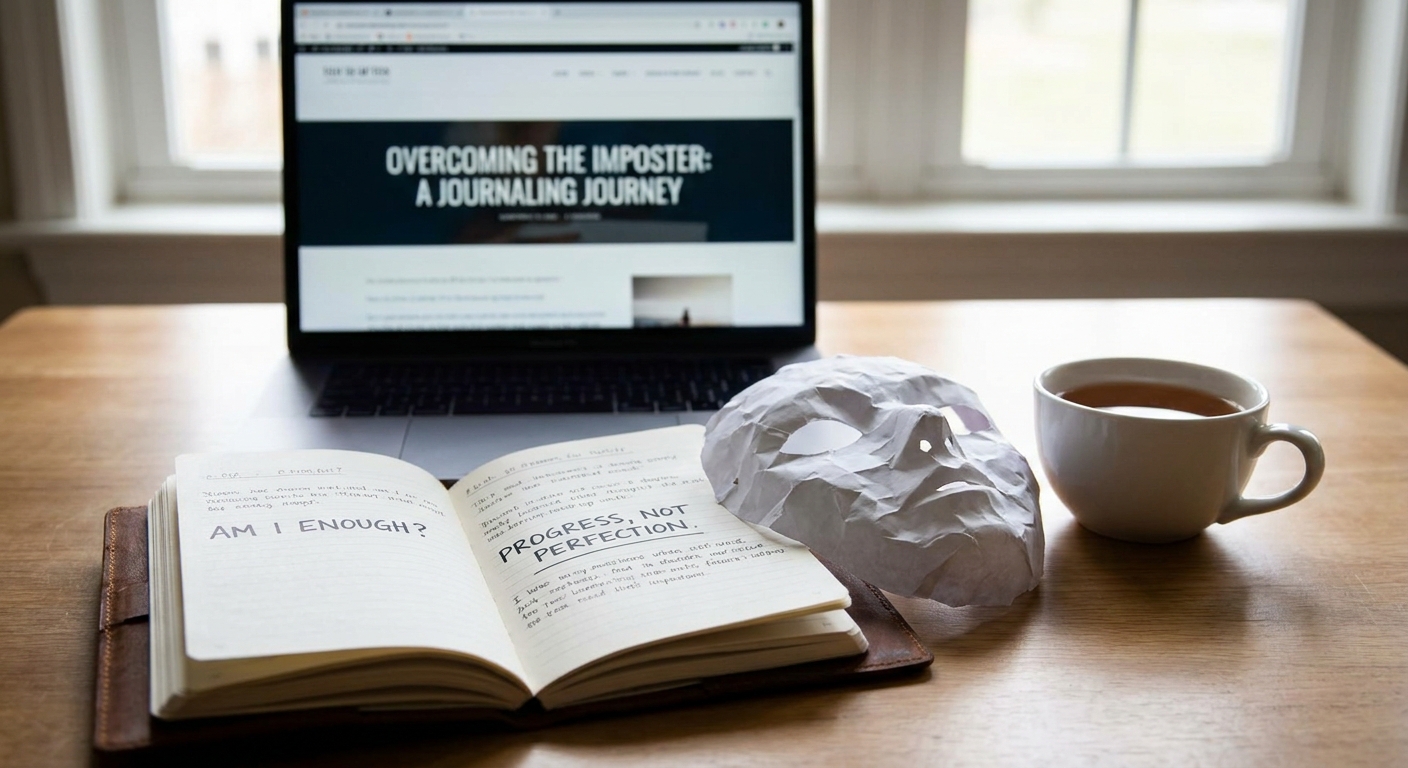
From the earliest days of human civilization, we have possessed an innate desire to record our existence. Whether it was ancient ancestors painting on cave walls or Renaissance thinkers scribbling in leather-bound journals, the impulse remains the same: we want to remember, and we want to be remembered. Keeping a diary is one of the most profoundly personal habits a human being can cultivate. It is a quiet sanctuary in a noisy world, a place where thoughts can breathe, and a mirror reflecting our deepest selves. In today’s fast-paced, digitally driven society, the practice of keeping a diary is not just a nostalgic pastime; it is a vital tool for mental clarity, emotional regulation, and personal growth.
Countless psychological studies have demonstrated the immense benefits of journaling. Dr. James Pennebaker, a pioneer in expressive writing therapy, found that dedicating just a few minutes a day to writing about one’s emotions can significantly reduce stress, lower blood pressure, and even improve immune system function. When we carry our thoughts entirely in our heads, they often become a tangled web of anxieties, hypotheticals, and fragmented ideas. The act of writing forces us to linearize those thoughts. It demands that we put words to our feelings, transforming an overwhelming cloud of emotion into a concrete sentence on a page or a screen. This process is known as cognitive offloading. By transferring our worries, our to-do lists, and our profound realizations into a diary, we free up valuable mental bandwidth. We give ourselves permission to stop obsessing over a problem because we know it is safely stored away. Furthermore, keeping a diary allows us to track our personal patterns. Have you ever noticed that you feel particularly drained on Tuesdays? Or that your most creative ideas spark after a morning walk? A consistent diary serves as a personal database, offering insights into our behaviors and triggers that we might otherwise overlook in the blur of everyday life.
Historically, diaries were limited to pen and paper. While there is an undeniable romantic charm to the tactile sensation of ink soaking into a page, modern life often demands more flexibility and richness than a traditional notebook can provide. We no longer experience the world purely in words; our lives are deeply visual and auditory. We communicate through photos, voice notes, and short videos. As our methods of communication have evolved, so too has the concept of the diary.
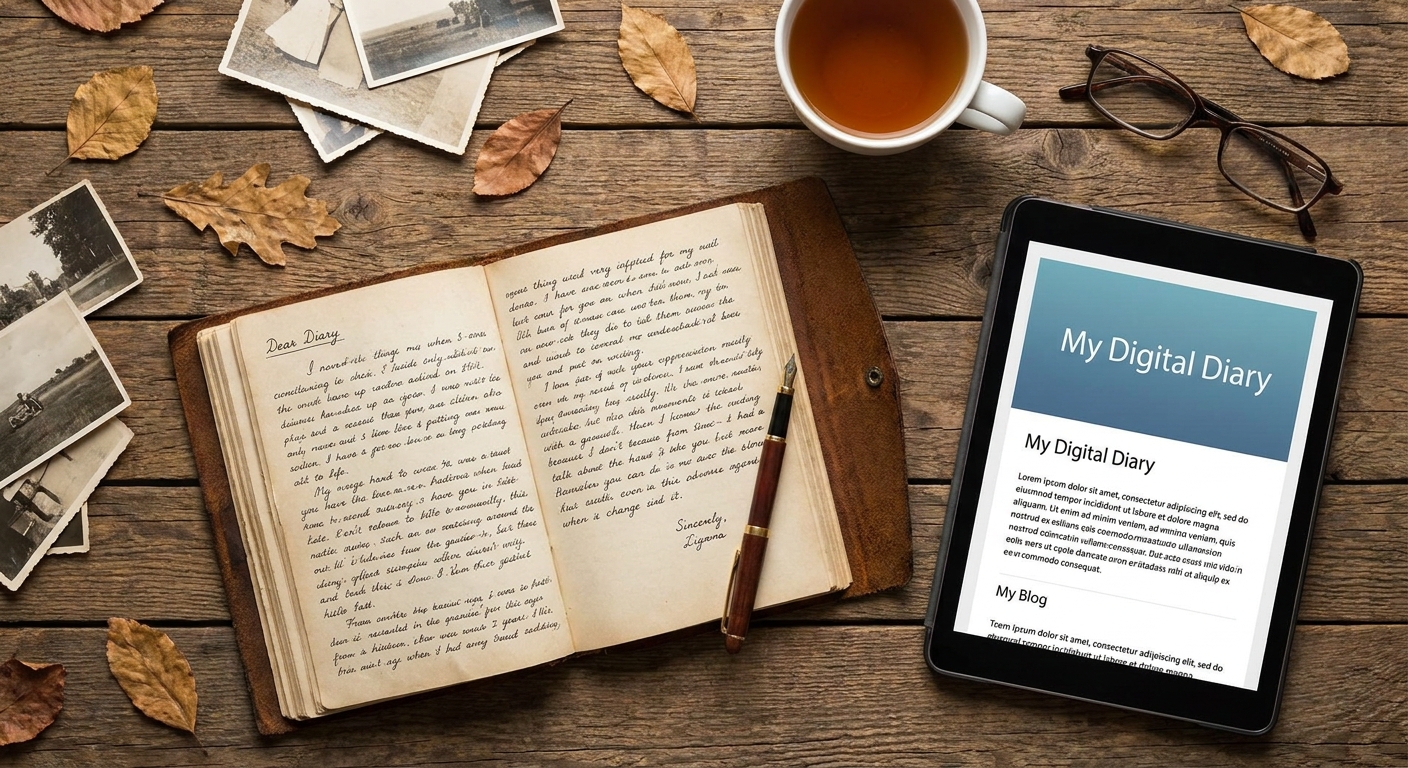
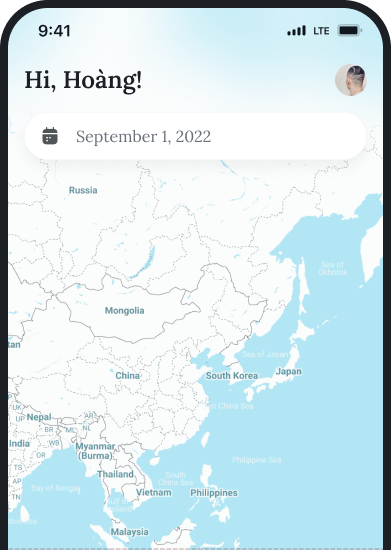
Think about a truly memorable day in your life—perhaps a family vacation, a graduation, or a simple, perfect Sunday afternoon. Words alone might capture how you felt, but they struggle to convey the exact shade of the sunset, the sound of your child’s uncontrollable laughter, or the visual joy of a beautifully plated meal. This is where the digital evolution of the diary becomes extraordinary. By incorporating multi-media elements, a diary transforms from a mere log of events into a vivid, multi-sensory memory capsule. This seamless integration of life’s moments is where modern tools shine. For instance, using an intuitive application like MemoirME allows you to write your daily reflections while effortlessly attaching photos, videos, and voice recordings. Instead of just writing that you had a great conversation with an old friend, you can attach a quick audio clip of their voice or a selfie you took together. This approach doesn’t replace the traditional written diary; it enriches it, turning everyday entries into immersive stories that you can vividly relive years down the line.
Another profound aspect of keeping a diary is the concept of legacy and time travel. A diary is essentially a conversation with your future self. When you write about a hardship you are currently facing, you are leaving a breadcrumb trail for your future self to see how you survived it. When you document a moment of pure joy, you are bottling that happiness so that a future, perhaps more cynical version of yourself can take a sip and remember what it felt like. However, memory is fragile. Paper journals can be lost in a move, damaged by water, or simply fade over time. The modern approach to journaling involves safeguarding these precious milestones. As digital platforms evolve, the focus is shifting toward safely preserving these memories and making them accessible exactly when you need them. Imagine reaching a milestone like a tenth wedding anniversary and being able to instantly retrieve the exact thoughts, photos, and voice notes you recorded on your first date. Applications dedicated to life-story preservation are increasingly focusing on this kind of real-time retrieval, ensuring that the wisdom and memories you capture today are securely reserved and effortlessly surfaced in your future.
Understanding the value of a diary is one thing; maintaining the habit is another. Many people start a journal with grand intentions, writing pages upon pages for the first three days, only to abandon the practice by day four because it feels like a chore. The key to a sustainable diary habit is removing the pressure of perfection. Here are a few strategies to keep you documenting your days:
Your life is a story unfolding in real-time, filled with ordinary Tuesdays that turn into foundational memories, and fleeting thoughts that spark massive life changes. Documenting this journey through a diary is a profound act of self-love and mindfulness. It is a way of declaring that your experiences, your emotions, and your daily existence matter. As we move further into a fast-paced era, taking a moment to pause, reflect, and record is more important than ever. Whether you choose to capture your days through long-form essays, quick voice memos, or daily snapshots, the most important step is simply to begin. If you are looking for a secure, beautiful, and multi-faceted way to preserve your life’s journey, exploring a digital memory capsule like MemoirME might just be the perfect way to start writing your next chapter.
Get weekly insights on digital privacy, exclusive tips, and early access to new MemoirME features.